
Last updated September 10, 2026
Full 25-point door and opener safety check with every visit - springs, cables, rollers, tracks, and your LiftMaster or Chamberlain opener included
You get a price before we start. It does not change when the truck arrives.
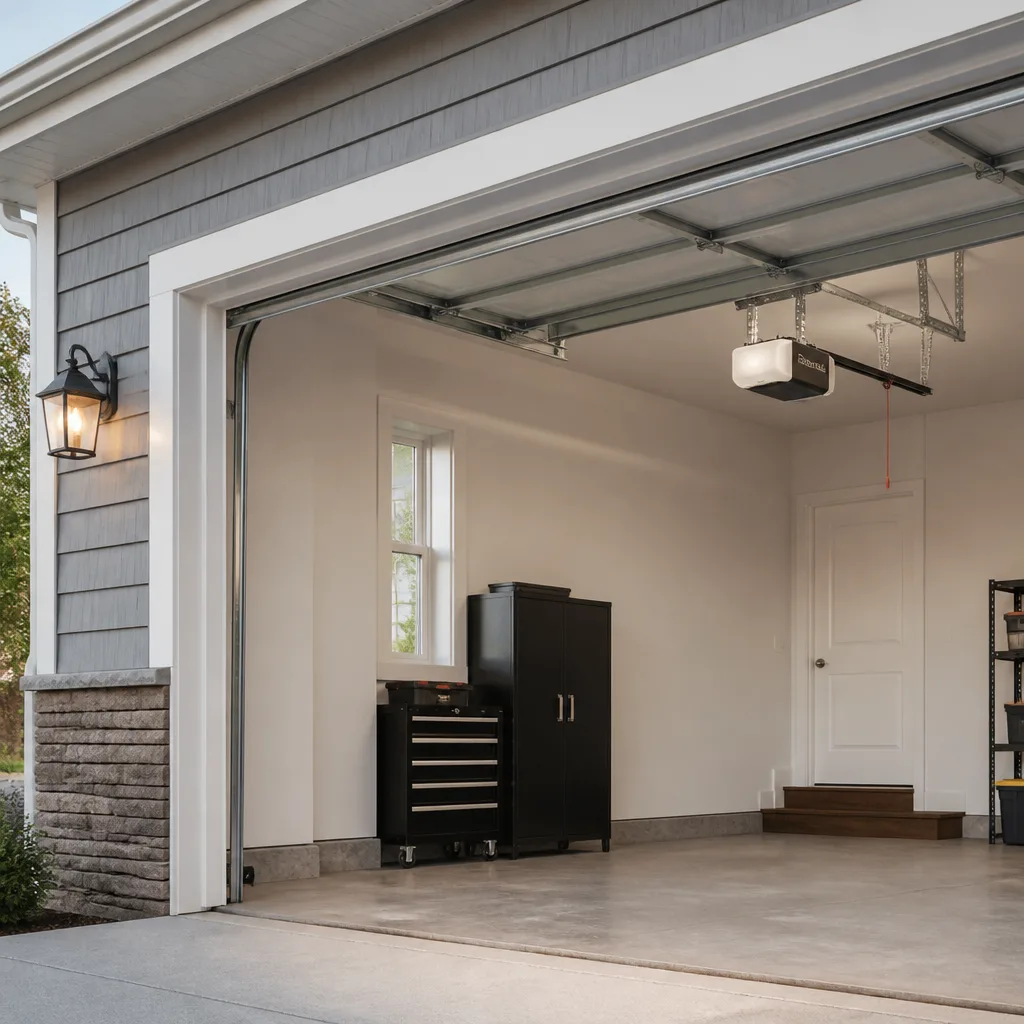
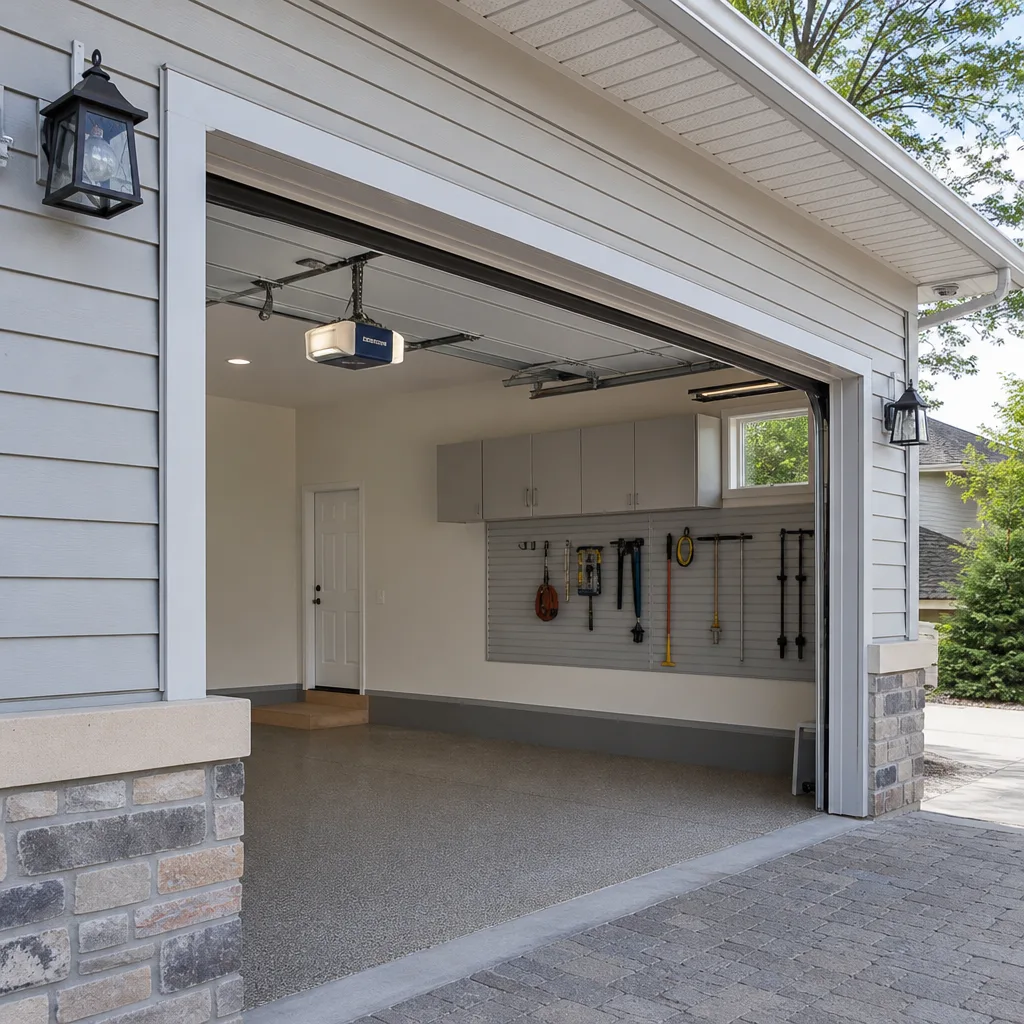
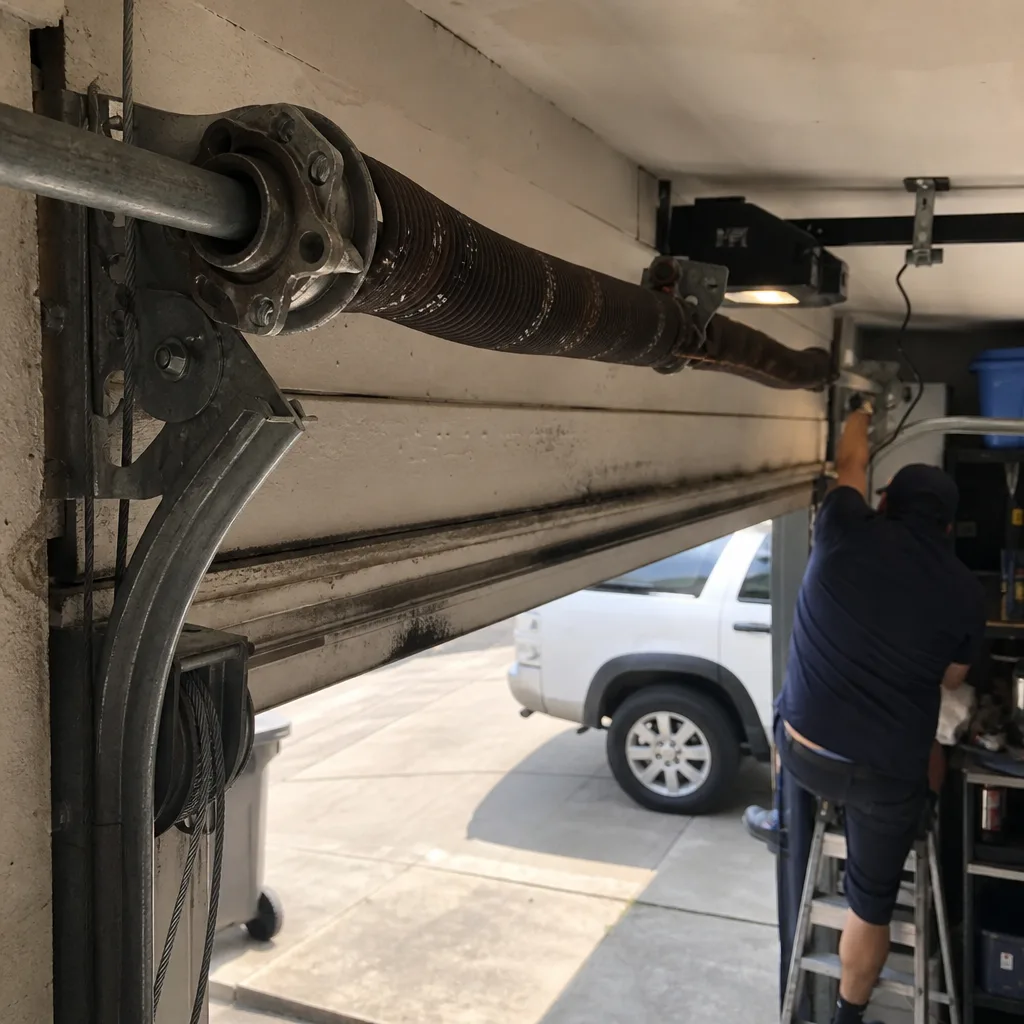 Before
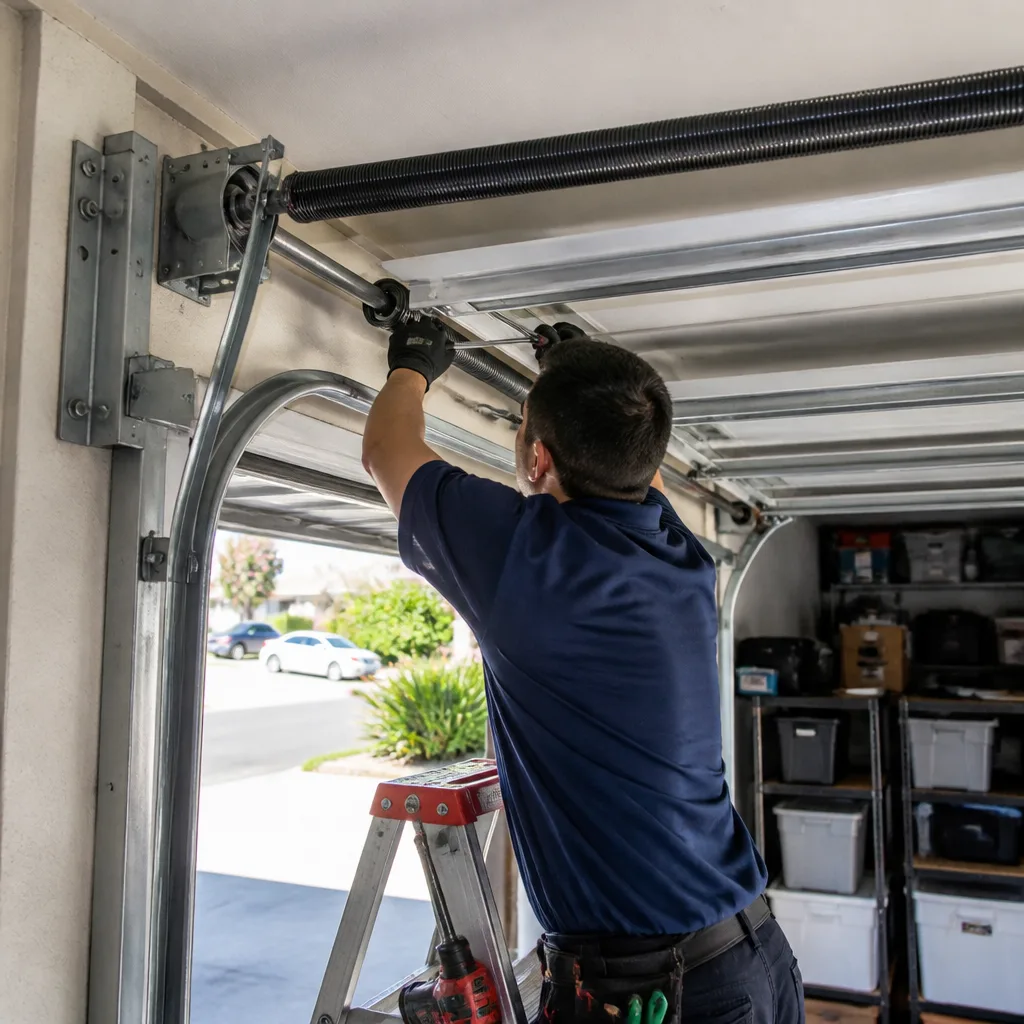 After
After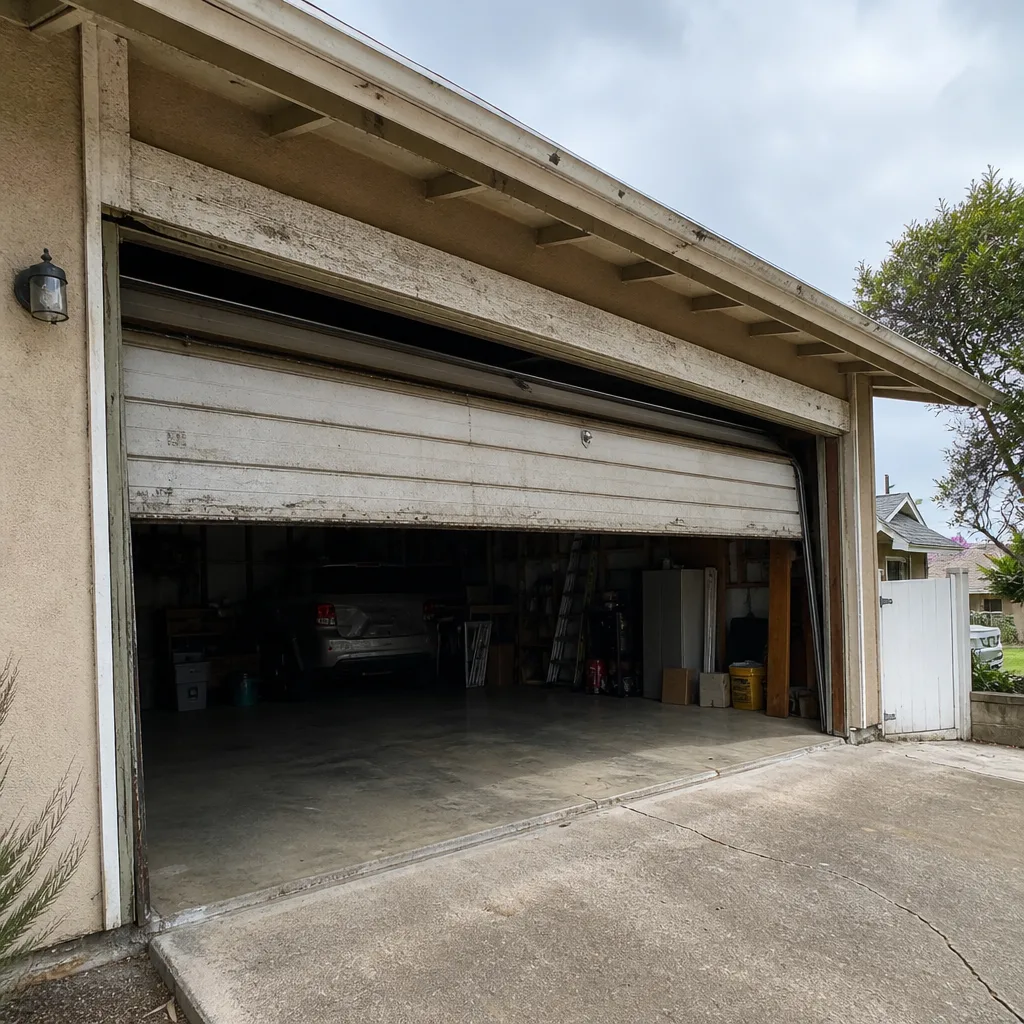 Before
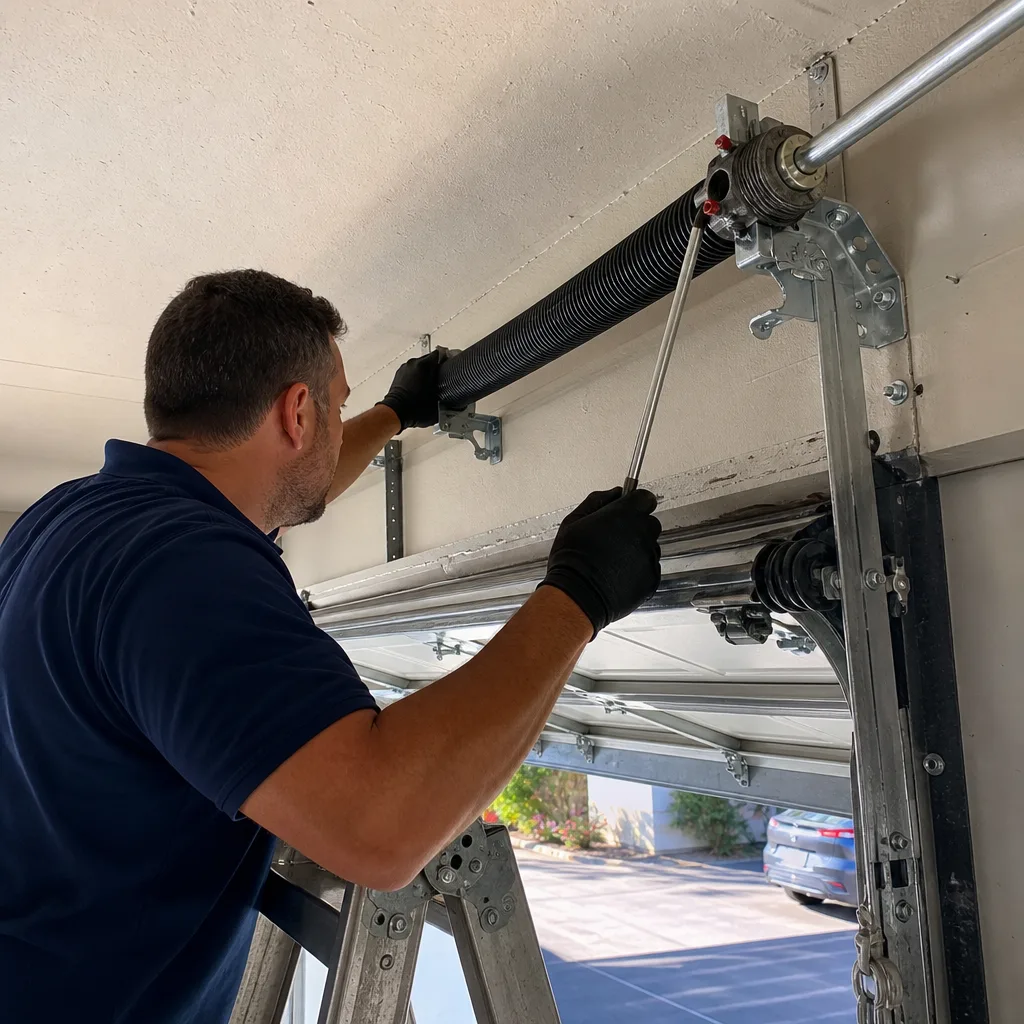 After
After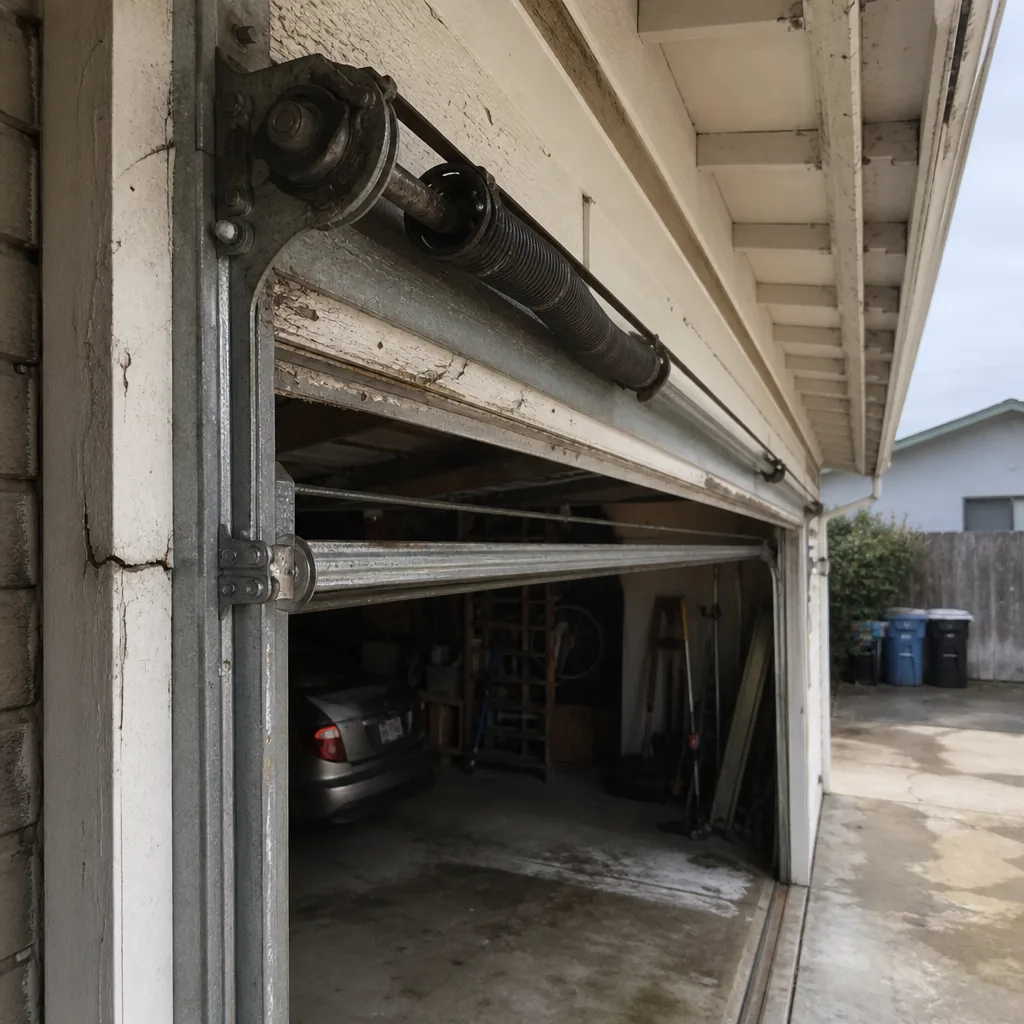 Before
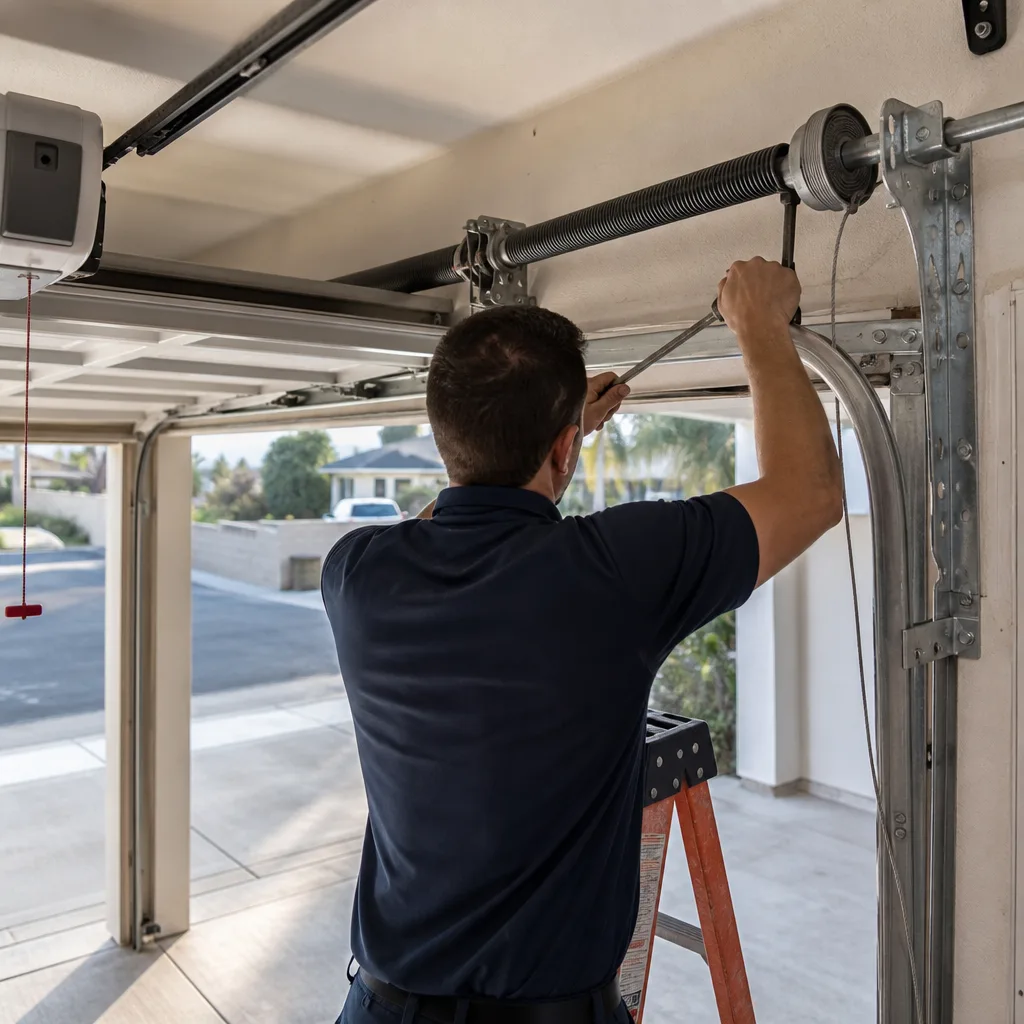 After
AfterSeasonal Garage Door Care for Encinitas: Year-Round Homeowner’s Guide
June Gloom is the season Encinitas garage doors suffer most, and almost no homeowner schedules maintenance for it. Six weeks of persistent low-cloud humidity, from late May through mid-July, is enough to seize a hinge that was fine in May and is grinding by July 4th. Most guides written for four-season climates tell you to inspect springs in spring and weatherstrip in fall. That advice misses Encinitas entirely. This guide maps your garage door care to the four environmental pressures that actually hit our stretch of the 92024 and 92007 zip codes: winter storm surges, June Gloom moisture load, dry Santa Ana conditions, and fall marine intrusion. You’ll learn what to do, when to do it, and which four-minute task prevents the most common August service call we’ve handled in our 42 years serving North County.
Quick Answer
Seasonal garage door care in Encinitas means four maintenance windows aligned to local climate stress, not calendar quarters: moisture protection during June Gloom, seal and drainage checks before winter storms, force-limit recalibration after summer heat expansion, and hardware inspection before Santa Ana winds arrive. A homeowner who hits these four windows and runs a monthly eye-and-ear check will prevent most failures that lead to emergency calls.
Table of Contents
- Why the Four-Season Model Fails in Encinitas
- June Gloom: The Hidden Damage Season
- Summer Heat and the Four-Minute Force Check
- Santa Ana Season: Dry Wind and Seal Stress
- Winter Storm Surge Prep for Coastal Homes
- Fall Marine Intrusion and Hardware Recovery
- The Monthly Eye-and-Ear Check (12 Minutes)
- Building Your 12-Month Care Calendar
- Common Mistakes to Avoid
- When to Call a Professional
- Frequently Asked Questions
- The Bottom Line
Why the Four-Season Model Fails in Encinitas
The standard home maintenance calendar was built for Kansas or Connecticut. It assumes hard freezes, heavy snow, and a true autumn leaf drop. None of that applies here. In Encinitas, our average January low is 45 degrees. Our average August high is 76. The real threats to garage doors are moisture, salt, wind, and thermal expansion, not ice.
We’ve been repairing and installing garage doors in Encinitas since 1984, and we’ve tracked our call patterns. The data tells a clear story. Emergency calls spike in three distinct windows: early July, when June Gloom corrosion has had six weeks to work; late August, when heat-expanded doors overload openers; and January, after the first winter storm exposes drainage failures that developed over the dry months. A fourth, smaller spike hits in November, when Santa Ana winds tear compromised seals and force grit into tracks.
The four-season model also misses our coastal proximity. Homes within a mile of the 101 in Leucadia, Cardiff, or along Neptune Avenue face salt air that accelerates corrosion on every exposed metal surface. A hinge that lasts twelve years inland may show pitting in eight by the beach. The maintenance rhythm must account for this.
What replaces the four-season model? We use four environmental phases tied to actual Encinitas weather patterns:
- June Gloom (late May-mid-July): Persistent marine layer, 70-85% humidity, minimal direct sun
- Summer Heat (mid-July-September): Clear skies, thermal expansion peak, occasional triple-digit inland push
- Santa Ana Season (October-November): Dry offshore winds, single-digit humidity, dust and debris load
- Winter Storm (December-March): Pacific storm systems, heavy rain events, coastal surge
Each phase creates a specific failure mode. The rest of this guide walks through each one, what to check, and what to do.
June Gloom: The Hidden Damage Season
Most Encinitas homeowners love June Gloom. The cool mornings, the overcast burnoff by noon, the break from inland heat. Your garage door hates it. Six weeks of 80% humidity with temperatures stuck in the 60s creates condensation on every metal surface that hasn’t seen direct sun. Springs, hinges, rollers, and cables all sit in a slow bath of moisture.
Here’s what we see in our shop every July. Hinges that were silent in May begin squealing by the Fourth of July. Rollers develop flat spots from sticking and releasing. Torsion springs show surface rust that wasn’t there six weeks earlier. The damage isn’t dramatic. It’s cumulative. And because the door still opens, most homeowners ignore it until a roller cracks or a spring snaps in August.
The June Gloom maintenance window is simple but specific. Do this in the last week of May, before the marine layer settles in:
- Lubricate all metal-to-metal contact points. Use a silicone-based garage door lubricant, not WD-40. WD-40 displaces water but leaves a residue that attracts dust. Apply to hinges, roller bearings, and torsion spring coils. Wipe excess. This takes ten minutes.
- Inspect bottom seal for compression set. The cool, damp conditions soften vinyl seals. If your seal has been flattened against the threshold for months, it may not rebound. Look for permanent flat spots or cracking. A compromised seal lets June Gloom humidity into the garage, accelerating rust on tools, bikes, and door hardware.
- Test manual release and door balance. Pull the red release cord on your opener. The door should lift smoothly with one hand and stay at waist height. If it drops or fights you, the spring tension has shifted. Humidity can affect spring performance, and an unbalanced door strains the opener through summer.
- Clear weep holes and drainage channels. Encinitas homes, especially in older neighborhoods like Old Encinitas and along El Camino Real, often have concrete aprons with perimeter drainage. Make sure these channels aren’t packed with spring debris. Standing water accelerates everything.
One more note for coastal homes. If you live within three blocks of the 101, the marine layer carries salt even when you don’t smell it. We see stainless steel hardware pitting in these conditions. An extra wipe-down of exposed metal surfaces with a dry cloth in June pays dividends.
The $89 Seasonal Tune-Up we offer covers all of this, but the homeowner who handles it in May prevents the July emergency call entirely and saves on the costs detailed in our Garage Door Cost Breakdown: The Encinitas Homeowner’s Reference for 2026.
Summer Heat and the Four-Minute Force Check
By mid-July, the gloom has burned off. Encinitas gets its real summer: clear mornings, warm afternoons, and thermal expansion in every material that makes up your garage door system. Steel tracks expand. Aluminum doors grow slightly longer. Springs change their torque characteristics. The door that was balanced in June may be heavier by August.
This is the single most overlooked maintenance item in our market, and it takes four minutes. Every automatic garage door opener has a force limit setting. This tells the opener how hard to pull before it decides something is wrong and reverses. When summer heat expands the door and increases rolling resistance, the opener works harder. If the force limit is too low, the opener thinks there’s an obstruction and reverses randomly. If it’s too high, the opener strains, overheats, and fails, or worse, crushes an obstruction without reversing.
The four-minute force check:
- Close the door. Place a 2×4 flat on the threshold, centered under the door path.
- Close the door using the wall button. When the door contacts the board, it should reverse within two seconds.
- If it doesn’t reverse, the down-force is set too high. This is a safety hazard.
- If it reverses immediately or won’t close at all, the down-force is too low, and summer expansion has increased resistance.
Adjusting force limits varies by opener brand. Chamberlain and LiftMaster units use orange and blue dials on the motor head. Genie openers use screw adjustments behind a cover. If you’re not comfortable with this, call us. We recalibrate force limits as part of any service call, and it’s included in the $89 Seasonal Tune-Up.
What we see in late August: openers that have been straining since July 15th, capacitors cooked from repeated overload, and stripped drive gears in chain-drive units. The four-minute check in early August prevents all of it. In Leucadia and Cardiff, where afternoon sun hits west-facing doors hard, we see this pattern more often than in shaded inland Encinitas neighborhoods.
One more summer task: check your photo eyes. Bright summer sun, especially low western sun in August, can blind sensors and cause intermittent reversal. Wipe the lenses and verify alignment. The LED indicators on Chamberlain and Genie units tell you when they’re aligned; consult your manual or call us if the pattern looks wrong.
Santa Ana Season: Dry Wind and Seal Stress
October and November bring the Santa Ana winds to Encinitas. Dry, fast, and full of dust from the desert. Sustained speeds of 25-40 mph, gusts to 60. For garage doors, this is the second-highest stress event of the year, after winter storm surge.
The primary damage mode is seal failure. Flexible bottom seals and vinyl weatherstripping around the frame dry out and crack in the low humidity. Then the wind gets under the door, flexing the seal and tearing it from the retainer. We’ve replaced bottom seals in November that were intact in September. The Santa Anas found the weak point.
Secondary damage: dust and grit in the track system. Santa Ana winds carry fine particles that settle in roller tracks and hinge pins. When you operate the door, this grit acts as grinding compound. By December, rollers have flat spots and tracks show wear patterns.
The October prep checklist:
- Inspect all seals while flexing them by hand. Vinyl that cracks when bent is done. Replace before the first Santa Ana event. We stock seals for Clopay, Amarr, and most other major brands.
- Lubricate with dry silicone, not wet oil. Wet lubricants attract dust. A dry silicone film repels it.
- Check door panel gaps. Wind-driven dust enters through gaps that seemed minor in calm weather. Tighten any loose panel hardware.
- Verify opener chain or belt tension. Dry air affects rubber belts and can accelerate stretch. A loose belt slaps and wears under wind-load cycling.
For homes in exposed locations, like the ridge lines above Encinitas Ranch or along Rancho Santa Fe Road, consider the door’s wind load rating. Most residential doors are rated for 20 psf. If your door faces open terrain and takes the full Santa Ana fetch, and if you’ve had seal or panel damage before, a wind-rated upgrade may be worth discussing. Garage Door Installation in Encinitas covers replacement options, including wind-load-rated models.
Winter Storm Surge Prep for Coastal Homes
Encinitas winters are mild by national standards, but Pacific storm systems can deliver sustained heavy rain, high surf, and coastal flooding. The December 2022 storms pushed water onto South Coast Highway 101 in Cardiff and closed beach access points from Moonlight to Swami’s. For garage doors, the risk isn’t the rain itself. It’s standing water, hydrostatic pressure, and the sudden demand for manual operation when power fails.
Homes within a mile of the coast, particularly in the 92007 zip and the beach zones of 92024, need a specific pre-storm checklist. We developed this after seeing the same failures repeat across storm seasons:
- Bottom seal integrity. This is your first defense. A seal that sits flat and unbroken prevents water from wicking under the door. Look for compression set, tears, and hardening. The marine environment ages vinyl faster; coastal seals typically need replacement every 3-4 years versus 6-8 inland.
- Drainage channel clearance. Walk the concrete apron. Are perimeter drains open? Is the grade away from the door? In Encinitas, many homes built in the 1970s and 1980s have settled aprons that now pool water. A half-inch of standing water against a door for six hours will find any gap.
- Manual release testing. Every opener has a red emergency release cord. Pull it. The door should free-move. If it doesn’t, the spring balance is off, or the door is binding. A power outage during a storm, with a stuck door, traps your vehicle or blocks sandbag access. Test this before the first big rain.
- Photo eye height and alignment. Storm debris, wind-driven leaves, and sheet flow can knock sensors. Verify they’re secure and the indicator LEDs are steady.
- Backup power awareness. If you have a battery backup opener, test it. Chamberlain and LiftMaster battery units show status lights; know what yours means. If you don’t have backup power, know where your manual release is in the dark.
After the storm passes, run the door twice and listen. Gravel and sand washed onto the threshold will grind in the track. Clear it before operating. We’ve replaced opener gears in January because a homeowner ran the door over beach sand that blew in during a storm.
For homes in flood-prone areas, consider a flood barrier or raised threshold system. These aren’t standard garage door products, but they integrate with the door system. We can assess compatibility during any service visit.
Fall Marine Intrusion and Hardware Recovery
September and early October bring a secondary marine layer period, shorter than June Gloom but often more intense. The ocean has warmed all summer. When the first cool air masses arrive, fog forms thick and low. This “fall marine intrusion” hits hardware that has been stressed by summer heat and is now exposed to moisture again.
The critical task for this window is hardware recovery. Not inspection, recovery. Tighten everything that summer vibration and thermal cycling have loosened. Specifically:
- Hinge bolts: Check with a socket wrench, not by hand. The 5/16″ bolts on most sectional doors loosen predictably after a hot season.
- Track mounting brackets: These take the door’s lateral load. A loose bracket lets the door wobble, accelerating roller wear.
- Spring anchor bolts: The stationary cone of a torsion spring is bolted to the spring anchor plate. If these loosen, spring tension shifts and the door becomes unbalanced. Do not attempt to adjust spring tension yourself. Tighten anchor bolts only. If the door is unbalanced, call a professional. Torsion springs carry lethal force.
- Opener rail mounting: The bracket that secures the opener rail to the wall above the door can loosen from vibration. A sagging rail causes chain or belt misalignment.
We see this pattern in older Encinitas homes, particularly in the Cardiff Craftsman district and the original Leucadia tract homes from the 1950s-60s. The wood framing in these garages has settled and flexed over decades. Hardware loosens faster than in newer construction.
While you’re at it, wipe down all metal surfaces with a dry cloth to remove summer dust accumulation before the fall moisture sets in. This simple step, rarely done, prevents the corrosion acceleration we see every October.
The Monthly Eye-and-Ear Check (12 Minutes)
The four seasonal windows handle the big risks. Between them, a simple monthly routine catches problems while they’re small. This isn’t a maintenance marathon. It’s twelve minutes of attention that pays for itself many times over.
Visual scan (4 minutes):
- Stand inside the garage with the door closed. Scan every hinge, roller, cable, and spring for rust, fraying, or deformation.
- Look at the bottom seal. Is it intact? Does it touch the threshold evenly?
- Check the track for dents, misalignment, or debris. The vertical track should be plumb; the horizontal track should slope slightly back toward the motor.
- Inspect the opener chain or belt for sag. A half-inch of deflection at mid-span is normal; more indicates stretch or wear.
Operational listen (4 minutes):
- Open and close the door twice. Listen for grinding, squealing, or rhythmic clicking.
- Watch for jerky motion or hesitation at any point in travel.
- Note if the opener strains audibly at start or finish.
Balance and safety test (4 minutes):
- Pull the manual release. Lift the door halfway and release. It should stay within 6 inches of that position.
- Close the door. Test the 2×4 reversal as described in the Summer Heat section.
- Walk through the beam path while closing. The door should reverse.
If any test fails, note what you observed and call for service. Specific observations help us diagnose faster. “Door drops hard from halfway” tells us more than “something’s wrong.”
Building Your 12-Month Care Calendar
A calendar you actually use beats a perfect plan you ignore. Here’s a practical version based on what we recommend to Encinitas homeowners who want to handle the basics themselves and know when to call us, with links to more guides & resources throughout.
| Month | Task | Time Required | DIY or Pro? |
|---|---|---|---|
| January | Post-storm inspection; drainage check; manual release test | 20 min | DIY |
| February | Monthly eye-and-ear check | 12 min | DIY |
| March | Monthly eye-and-ear check; schedule professional tune-up if not done | 12 min + call | Mixed |
| April | Monthly eye-and-ear check; inspect hardware for summer prep | 15 min | DIY |
| May | June Gloom prep: lubricate, seal inspect, balance test, clear drains | 30 min | DIY or $89 Tune-Up |
| June | Monthly eye-and-ear check; monitor for early corrosion signs | 12 min | DIY |
| July | Monthly eye-and-ear check; four-minute force check | 16 min | DIY |
| August | Monthly eye-and-ear check; photo eye alignment verification | 15 min | DIY |
| September | Fall marine hardware recovery: tighten all bolts, wipe metal surfaces | 25 min | DIY or Pro for spring area |
| October | Santa Ana prep: seal flex test, dry lubrication, panel gap check | 20 min | DIY |
| November | Monthly eye-and-ear check; post-Santa Ana inspection | 15 min | DIY |
| December | Winter storm prep: full seal/drainage/manual release protocol | 25 min | DIY or Pro |
Write this on whatever calendar you use. Paper, phone, refrigerator whiteboard. The act of writing it matters more than the medium. We recommend setting phone reminders for the five bolded seasonal windows, with the specific task in the reminder text. “May 25: Lube hinges, check seal, test balance.” Specificity drives action.
For homeowners who prefer to delegate, our $89 Seasonal Tune-Up hits the May, September, and December windows professionally. The monthly checks remain your best early warning system.
Common Mistakes to Avoid
- Using WD-40 on garage door parts. WD-40 is a water displacer, not a lubricant. It leaves a sticky film that collects dust and grit, accelerating wear. Use silicone-based garage door lubricant or white lithium grease on gears.
- Ignoring the door between seasonal checks. The monthly eye-and-ear check exists because problems develop between the big windows. A roller that cracks in February won’t wait for May.
- Adjusting torsion spring tension as a DIY project. Torsion springs store enough energy to cause serious injury or death. Winding cone adjustment requires specialized tools and training. Tighten anchor bolts only; leave tension to professionals.
- Assuming coastal and inland Encinitas need the same care. A home on Neptune Avenue faces salt air and storm surge that a home on El Camino Real does not. Coastal hardware ages 30-40% faster. Shorten replacement intervals accordingly.
- Testing the opener force limit with your hand or foot. Use a 2×4 as specified in your opener manual. Body parts are not test equipment. If the force limit is set too high, the door will not reverse on obstruction.
- Waiting for total failure to call. A noisy door is a door asking for help. The grinding you hear in June becomes the broken roller in July. Early intervention costs less and prevents emergency rates.
- Buying generic replacement parts online. Rollers, hinges, and cables vary in grade. The 10-pack of economy rollers from a marketplace vendor won’t match the cycle rating of OEM parts. We stock factory-familiar hardware for Clopay, Amarr, and all major brands, matched to your door’s specifications.
When to Call a Professional
Some tasks belong to trained technicians with the right tools and the understanding that garage door systems store significant mechanical energy. Call a professional when you observe any of the following: a broken spring or cable (the door is extremely dangerous to operate or be near); the door is off its tracks or hanging unevenly; the opener motor hums but the door doesn’t move; you’ve performed the four-minute force check and the door still fails reversal; or you smell burning from the opener motor housing.
Carl Dutton and the team at Mainspring Garage Door Co. have handled these situations across Encinitas for over four decades. We arrive with springs, cables, openers, and hardware on the truck, so most jobs finish in a single visit. The price is stated before any work begins, and every completed repair is covered by our 90-Day Done Right Promise in writing. Garage Door Repair in Encinitas details our full repair capabilities.
Mainspring Garage Door Co. offers free estimates in Encinitas. Call (760) 565-5674 to schedule, or to ask a specific question about what you’re seeing. A live person answers every call, 24/7, including nights, weekends, and holidays. No phone trees, no voicemail, no after-hours answering service.
Frequently Asked Questions
Once yearly is sufficient for most Encinitas homes, with the timing tied to your highest-risk season. Coastal homes benefit from a professional tune-up before winter storms; inland homes may prioritize the pre-June-Gloom window. Our $89 Seasonal Tune-Up covers lubrication, balance testing, hardware inspection, and safety system verification. Call (760) 565-5674 to schedule.
Basic hinge and roller lubrication is within most homeowners’ capability. Use silicone-based garage door lubricant, not WD-40. Avoid the torsion spring area entirely. If you’re unsure which points to hit or if your door has a complex high-lift or low-headroom track configuration, professional service ensures nothing is missed. The $89 Seasonal Tune-Up includes complete lubrication with the correct products.
Thermal expansion changes the fit between moving parts. Steel tracks expand in heat, which can tighten clearances and increase friction. Dried lubricant from the previous season no longer cushions contact points. The four-minute force check described in this guide often reveals the underlying cause. If noise persists after lubrication, a technician can identify worn rollers or track misalignment.
Most standard steel doors with proper maintenance serve coastal Encinitas well for 15-20 years. For maximum longevity, specify galvanized or stainless steel hardware, vinyl-bottom seals rated for UV and salt exposure, and consider a wind-load-rated door if you’re in an exposed location. When replacement becomes necessary, Garage Door Installation in Encinitas covers coastal-appropriate options.
Pull the red manual release cord on the opener rail. This disengages the motor and lets you lift the door by hand. If the door is too heavy to lift smoothly, the spring balance is off, and the door is unsafe to operate manually. Test your manual release before storm season, not during the outage. If it’s stuck or the door is unbalanced, call for service.
Consider replacement if the opener is over 15 years old, lacks safety features like automatic reversal and photo eyes, has needed multiple repairs in two years, or cannot be fitted with modern safety equipment. For newer openers, most issues, gear wear, circuit board failure, or sensor problems, are repairable. We service all major brands including Chamberlain, Genie, and LiftMaster, and we stock common repair parts. Garage Door Opener in Encinitas covers repair and replacement guidance.
The Bottom Line
Encinitas garage doors face four distinct environmental pressures, not four seasons. June Gloom humidity, summer heat expansion, Santa Ana wind and dust, and winter storm surge each create specific failure risks that a generic maintenance schedule misses. The homeowners who avoid emergency calls are the ones who align their care to these actual conditions: lubricating before the marine layer settles, recalibrating opener force after thermal expansion peaks, tightening hardware before fall moisture returns, and verifying seals and drainage before the first Pacific storm.
The monthly eye-and-ear check fills the gaps, catching problems while they’re still small. The twelve-month calendar, written and reminded, turns intention into action. And when a task exceeds your comfort or requires professional tools, Mainspring Garage Door Co. is here with the right parts on the truck, the price stated upfront, and a 90-Day Done Right Promise in writing. We’ve served Encinitas since 1984. We’ll be here when you call.
Written by Carl Dutton, Owner at Mainspring Garage Door Co., serving Encinitas since 2016.