
Last updated September 10, 2026
Full 25-point door and opener safety check with every visit - springs, cables, rollers, tracks, and your LiftMaster or Chamberlain opener included
You get a price before we start. It does not change when the truck arrives.
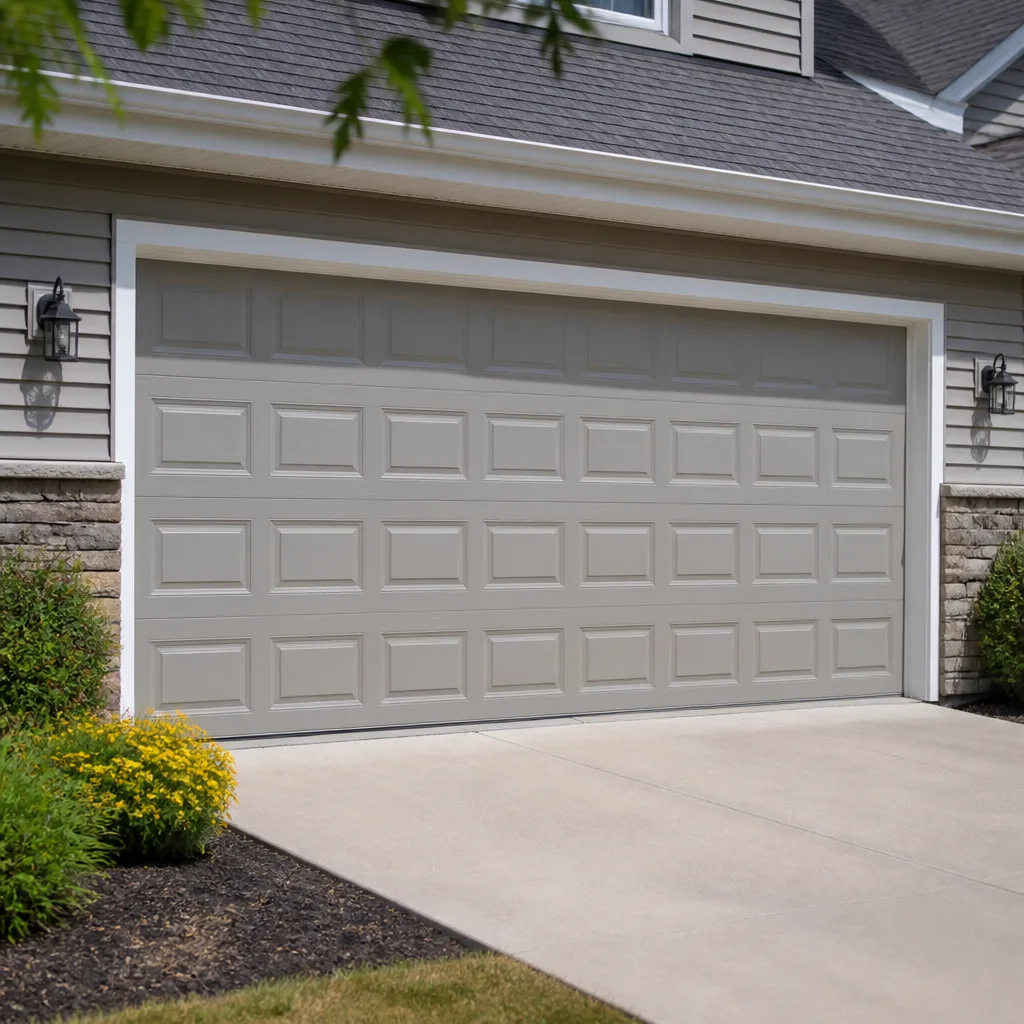
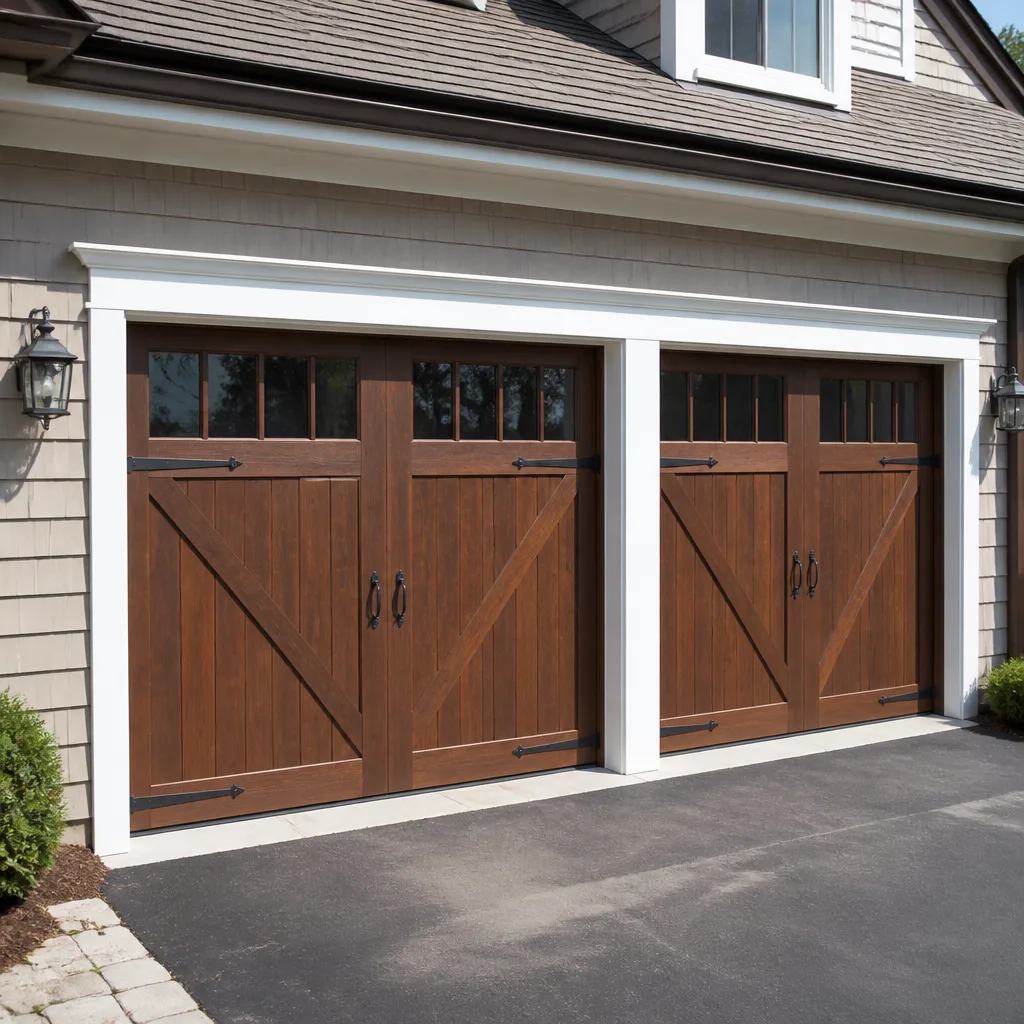
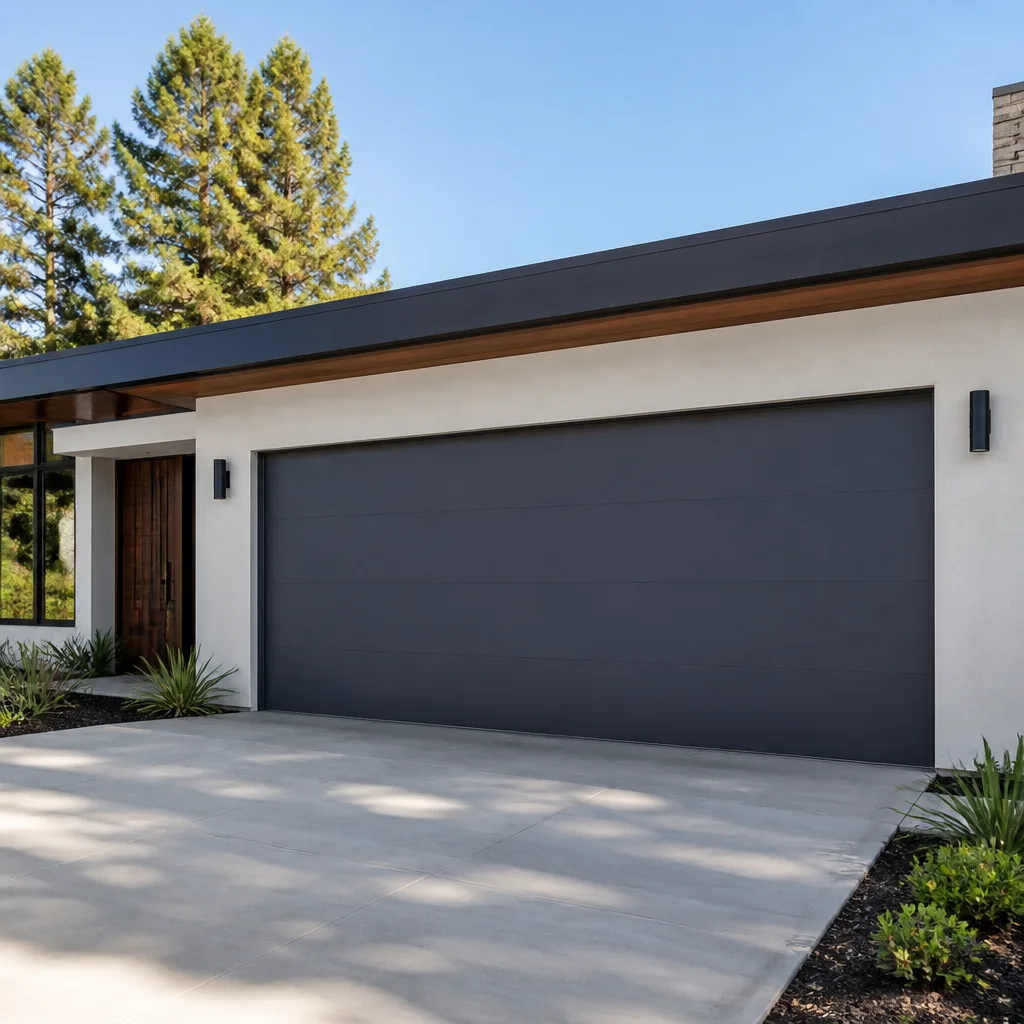
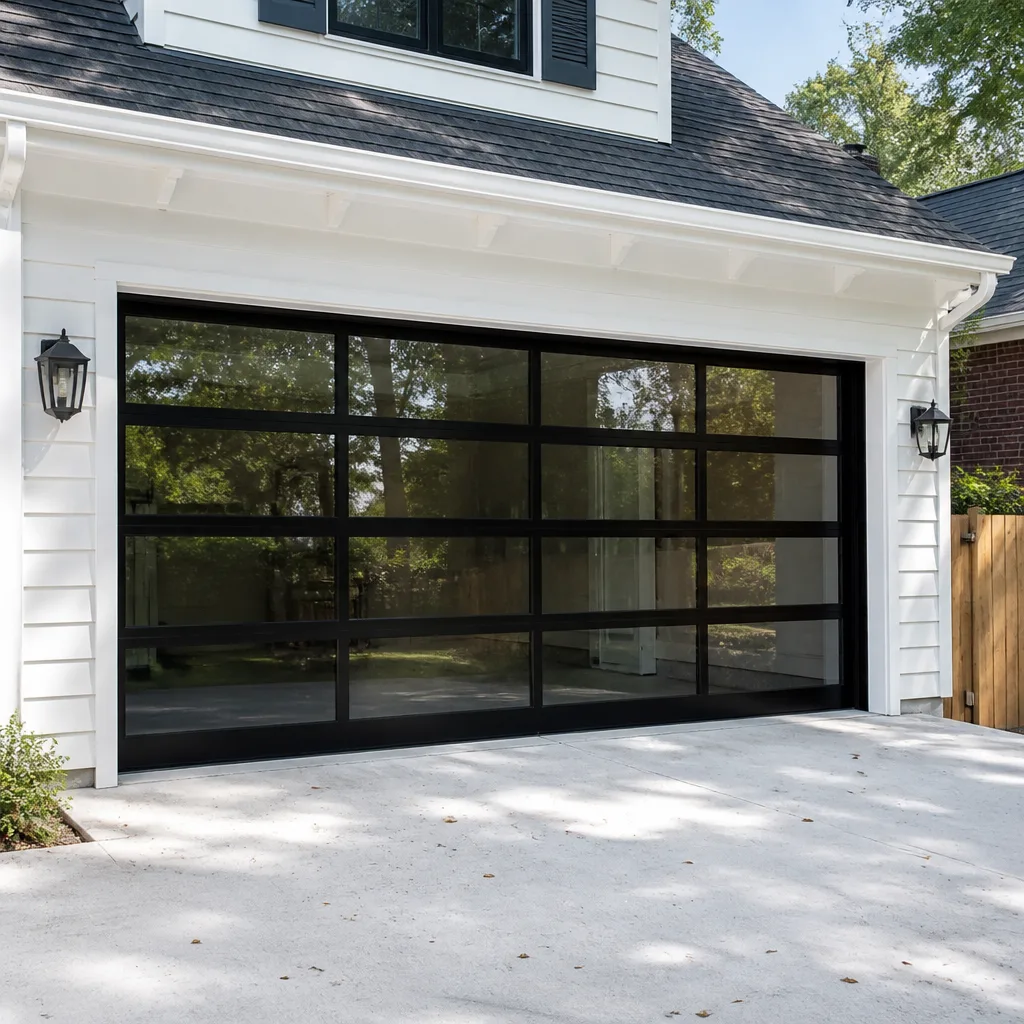
 Before
 After
After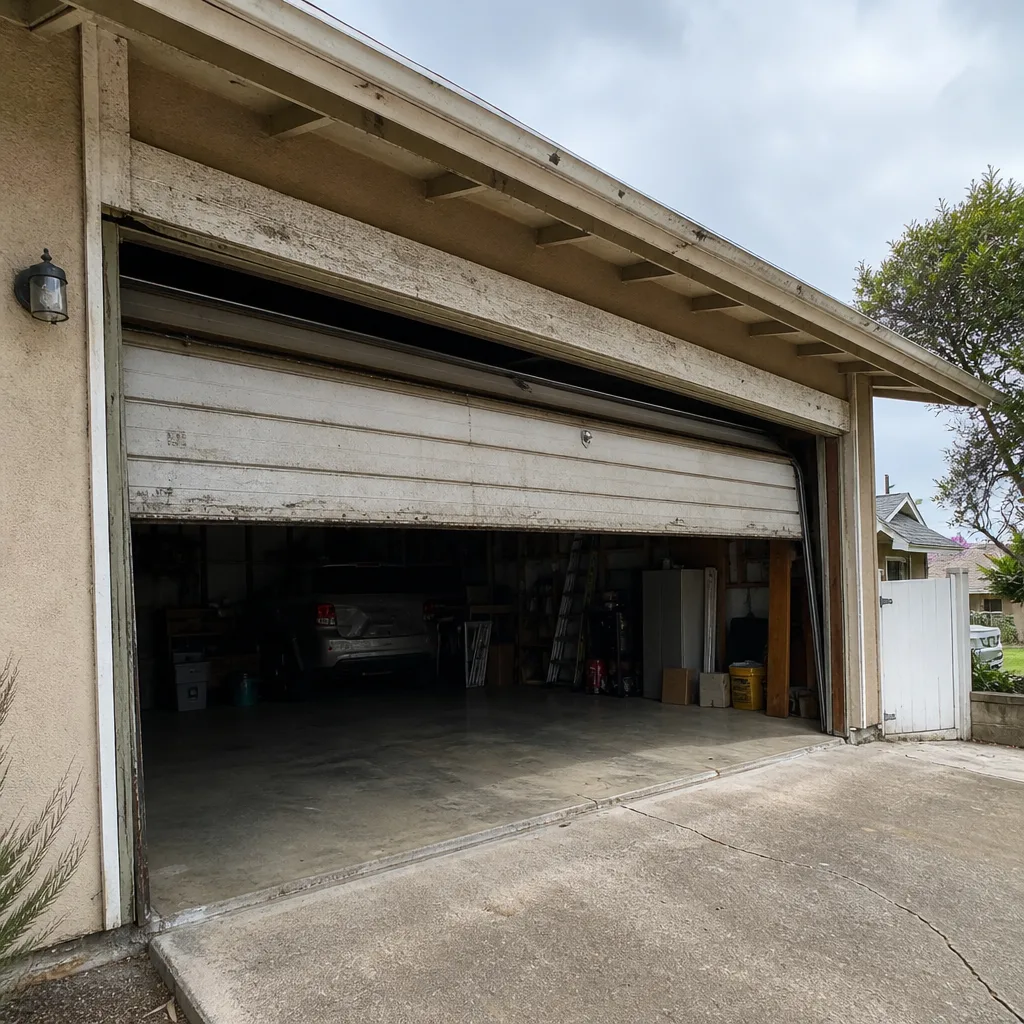 Before
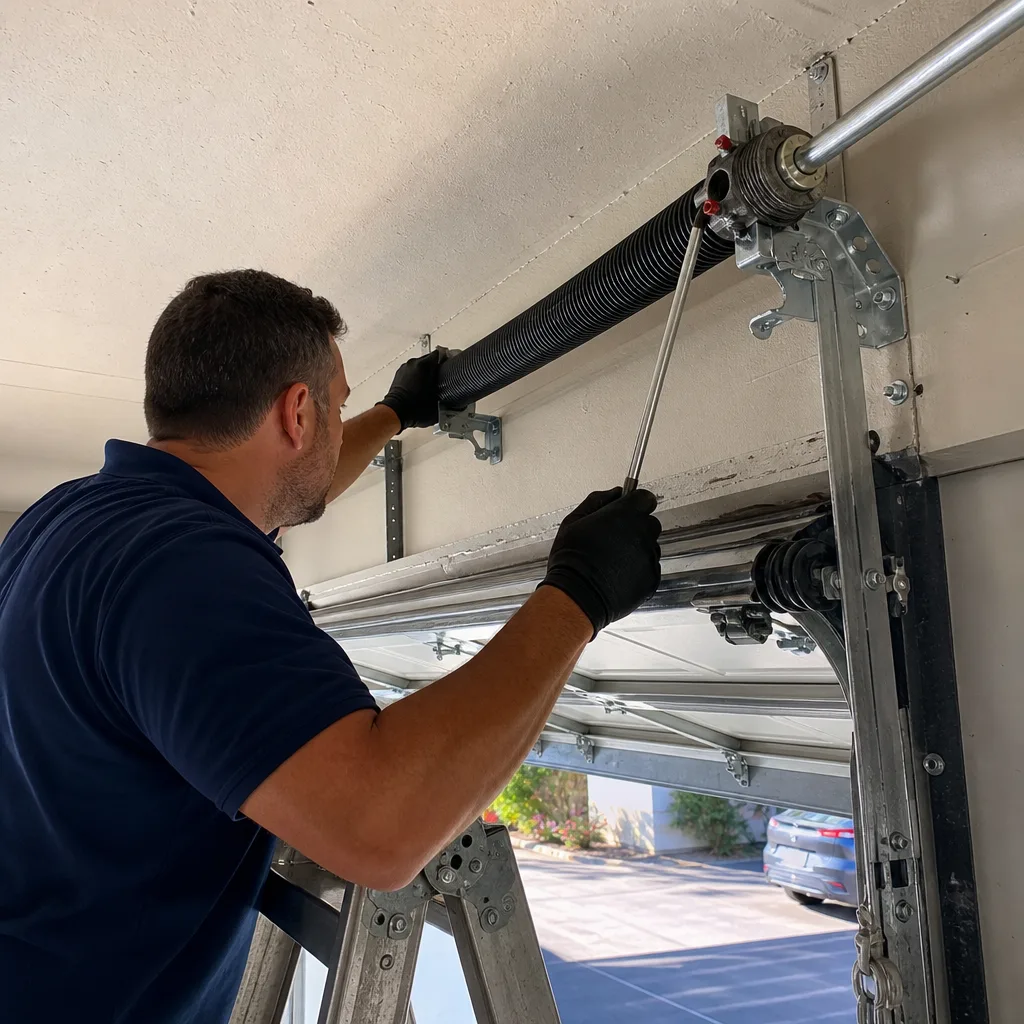 After
After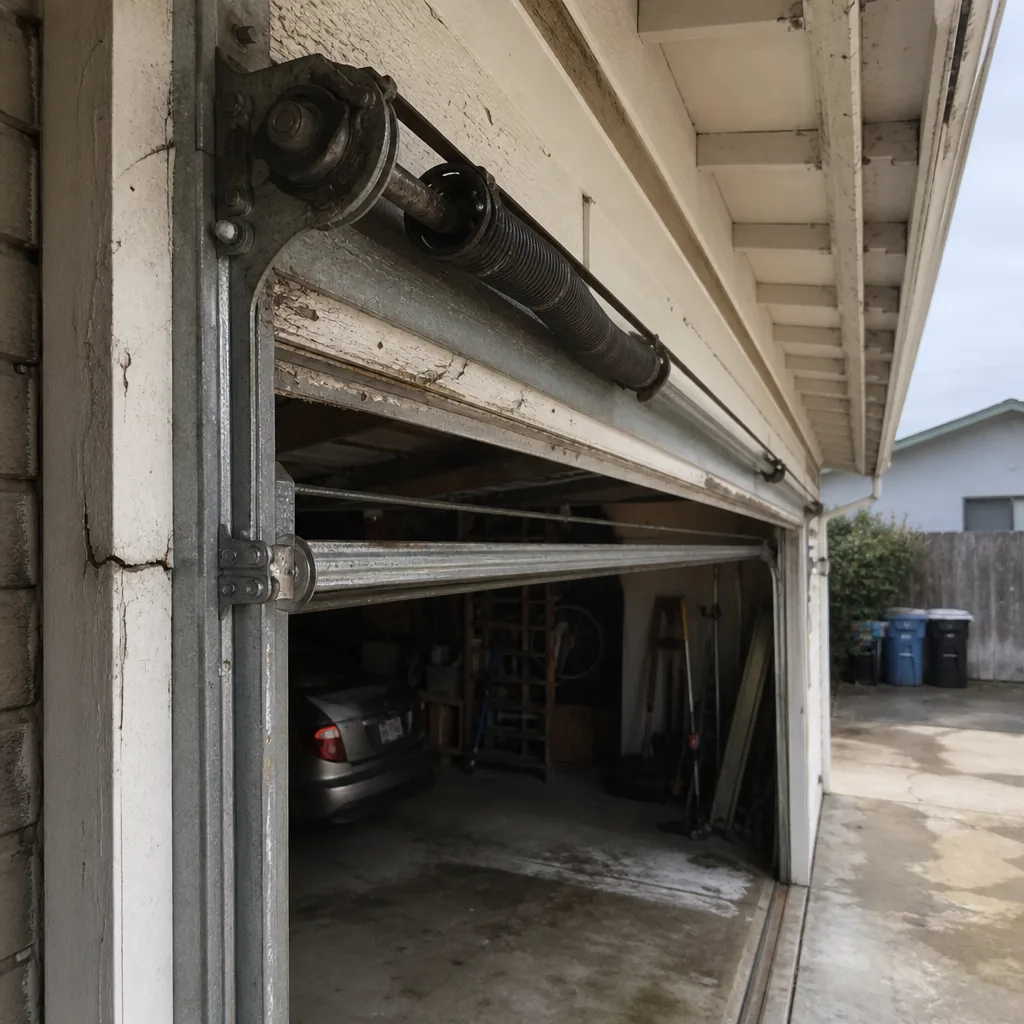 Before
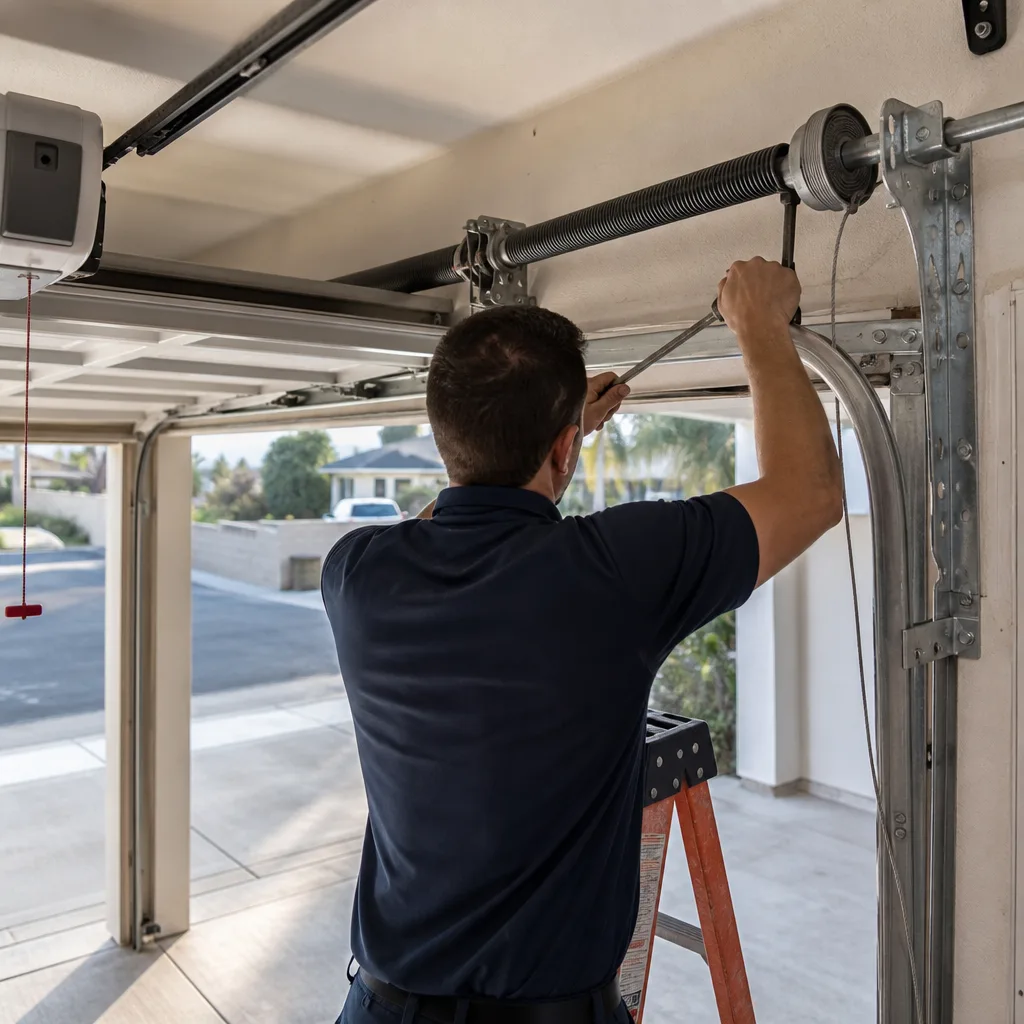 After
AfterGarage Door Repair Maintenance Checklist for Encinitas Homeowners
The number-one reason Encinitas homeowners call for emergency garage door repair isn’t a sudden break. It’s a slow, ignored corrosion pattern on the bottom bracket that looked like surface rust and then snapped a cable at 7 a.m. on a Tuesday. After 42 years in this trade, we’ve learned that coastal salt air, June Gloom moisture, and the occasional freeze create a specific failure sequence that generic checklists miss entirely. This guide gives you a maintenance routine built for your actual conditions, not a template copied from Phoenix or Chicago. You’ll learn which six hardware points corrode first here, what lubricants survive marine-layer humidity, how to check spring tension safely from the ground, and why west-facing doors need their bottom seals replaced on a different schedule than the rest.
Quick Answer
Encinitas homeowners should inspect six critical hardware points monthly for early coastal corrosion, lubricate moving parts quarterly with silicone-based grease rated for marine environments, test door balance and auto-reverse safety features every season, and replace weatherstripping on west-facing doors every 18-24 months rather than the standard 3-4 year interval. Keep a written log of all observations and service dates. Most premature failures we see in Leucadia, Cardiff, and Olivenhain trace back to skipped monthly visual checks and the wrong lubricant washing out in fog season.
Table of Contents
- Why Encinitas Garage Doors Fail Differently
- The Monthly Visual Checklist: Six Points That Corrode First
- Lubricants That Survive Marine-Layer Humidity
- Spring and Cable Tension: What to Check From the Ground
- Weatherstripping and the West-Facing Door Problem
- Seasonal Safety Tests You Can Do in Ten Minutes
- The Written Log: Why Documentation Matters
- Your Annual Professional Inspection: What to Expect
Why Encinitas Garage Doors Fail Differently
Garage doors in Encinitas don’t wear out the way they do inland. The marine layer rolls in most mornings from May through August, depositing salt on every exposed metal surface. Then the sun burns it off by noon, creating a daily wet-dry cycle that accelerates galvanic corrosion. In neighborhoods like Leucadia and Cardiff-by-the-Sea, where the ocean is three blocks away, we’ve seen bottom brackets develop pitting in 18 months that would take five years in Escondido.
The second factor is less obvious: infrequent freezing. Encinitas rarely drops below 32°F, so homeowners don’t think about cold-weather brittleness. But those dozen nights a year near the coast do matter. When a cable already weakened by salt corrosion meets a 35°F morning with stiff grease, the sudden load change finishes what months of neglect started. We’ve replaced more cables in January and February than any other months.
Third, the wind pattern. Santa Ana events concentrate on west-facing garage doors, driving sand and salt into weatherstripping and roller tracks. Doors facing the ocean in Olivenhain and along Rancho Santa Fe Road see track contamination that east-facing doors in New Encinitas simply don’t experience.
This means your maintenance checklist needs three adjustments:
- Inspect more frequently for corrosion, not just wear
- Use lubricants formulated for humidity retention, not cold-weather flow
- Replace weatherstripping on a shorter interval for west-facing installations
Generic checklists from manufacturers in Ohio or Illinois don’t account for this. We’ve adapted our field protocols specifically for coastal North County San Diego conditions, and this guide-along with our Garage Door Warning Signs: A Encinitas Homeowner’s Reference Guide-reflects what our technicians actually do on maintenance calls in Encinitas.
The Monthly Visual Checklist: Six Points That Corrode First
Spend ten minutes on the first Saturday of each month. You don’t need tools for this. You need a flashlight and the patience to look closely at what most people ignore until it breaks.
1. Bottom Brackets (Lower Corners of the Door)
These L-shaped steel brackets hold the bottom rollers and anchor the lift cables. In Encinitas, they’re the first failure point we see. Look for:
- Surface oxidation: A uniform, light-brown film you can wipe off with a finger. This is normal and not urgent.
- Pitting or flaking: Small craters, raised edges, or rust that falls away when touched. This is active corrosion. Schedule service.
- Cable fraying at the attachment point: Any visible broken strands where the cable loops through the bracket. Do not operate the door. Call for repair.
In our experience, bottom brackets on west-facing doors in Leucadia show pitting 40% faster than east-facing doors in the same neighborhood. The salt-laden morning fog settles, then the sun heats the metal and draws moisture into microscopic surface defects.
2. Cable Drums (Top Corners, Above the Door)
These grooved wheels wind and unwind the lift cables. Corrosion here is harder to spot because the drums rotate. With the door closed, examine the exposed portion:
- Grooves should be clean and sharply defined
- Any orange dust or grit in the grooves indicates drum corrosion transferring to the cable
- Wobble or uneven winding when you operate the door means drum wear
3. Hinges Between Door Sections
Steel hinges with brass bushings are standard on most garage door installations in Encinitas. The brass resists corrosion but creates a galvanic reaction with the steel pin. Look for:
- Greenish discoloration around the pin (brass oxidation)
- Stiffness or squeaking when the door moves
- Cracks in the hinge body, especially on the center hinges that carry more load
4. Roller Stems and Bearings
Nylon rollers with steel stems are common on newer doors. The nylon wheel holds up well, but the stem corrodes where it enters the hinge. Steel rollers with ball bearings fail faster in coastal air. Check for:
- Rust streaks running down from the roller stem
- Grinding noise during operation (failed bearings)
- Wobble or tilt in the roller as it travels through the track
5. Track Mounting Brackets and Jamb Brackets
These attach the vertical and horizontal tracks to the door frame and ceiling. They’re often galvanized, but the galvanizing wears at bolt holes and bends. Look for:
- White or gray powdery corrosion (zinc oxidation from galvanizing breaking down)
- Loose bolts that won’t tighten (stripped threads from wallowed holes)
- Track misalignment: gaps between roller and track, or rubbing contact
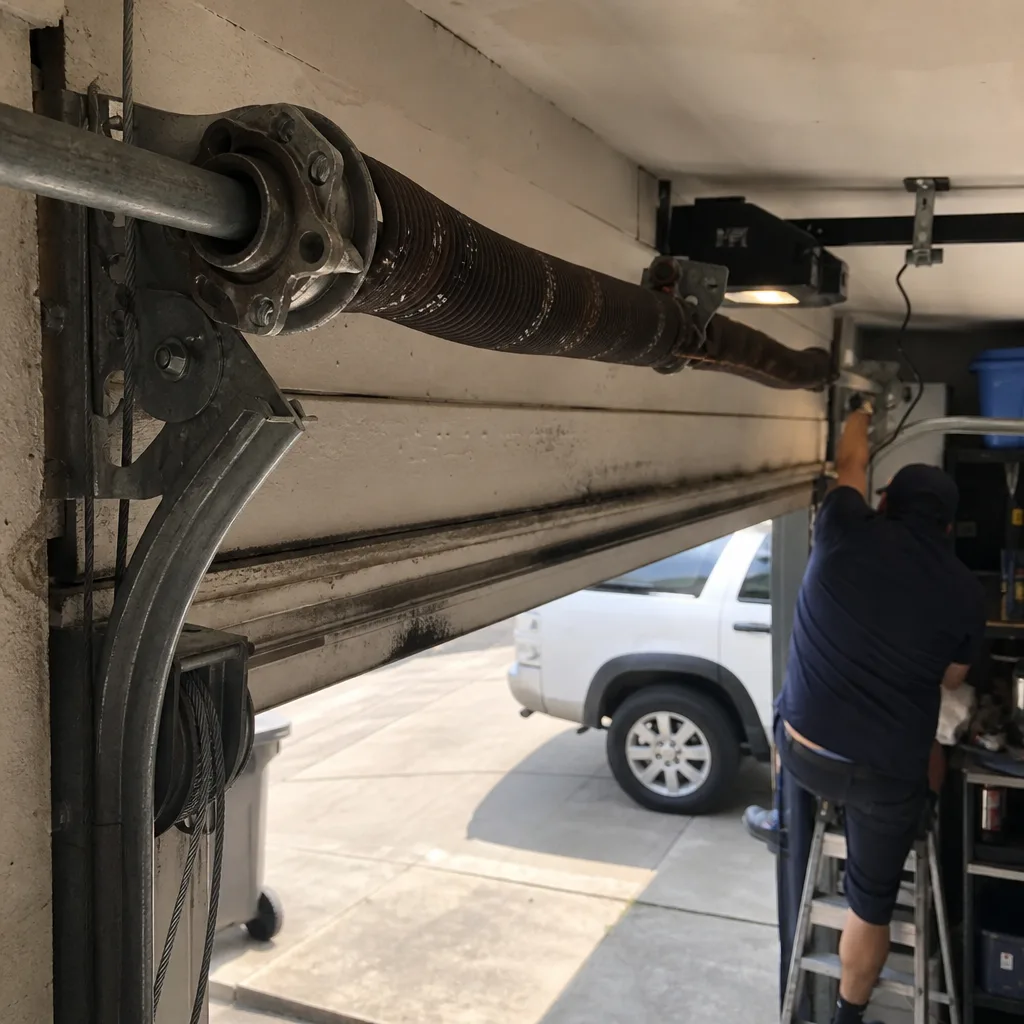
6. Spring Anchor Bracket and Spring Coil
Torsion springs sit above the door on a steel tube. The anchor bracket at center holds the spring tension. Never touch or adjust the spring system. From the ground, with the door closed, observe:
- Gaps between coils: a properly tensioned spring has coils touching or nearly so
- Rust on the spring surface: surface discoloration is cosmetic; deep pitting or flaking is structural
- Anchor bracket condition: same criteria as bottom brackets
If you see coil gaps wider than 1/4 inch, or any spring damage, stop using the door and call a professional. Torsion springs store lethal energy. We’ve responded to injuries from homeowners who tried to “help” a failing spring along. Don’t.
Lubricants That Survive Marine-Layer Humidity
The wrong lubricant is worse than no lubricant. We’ve seen this hundreds of times in Encinitas: a homeowner sprays a popular big-box lithium grease on the track, the marine layer dissolves the carrier solvent in three weeks, and the remaining residue forms a paste that traps sand and salt. The parts end up drier and more corroded than if they’d been left alone.
Here’s what works in our coastal environment and what doesn’t:
| Product Type | Typical Brands | Performance in Encinitas | Our Recommendation |
|---|---|---|---|
| Silicone-based spray grease | Various hardware-store brands | Good humidity resistance, but thin film washes off tracks in heavy fog | Acceptable for hinges and rollers; reapply every 6-8 weeks in fog season |
| White lithium grease (aerosol) | Common big-box products | Poor. Carrier evaporates; residue attracts contaminants | Avoid on all coastal garage door hardware |
| Synthetic open-gear grease (tub, not spray) | Lubriplate, similar industrial brands | Excellent. Stays in place, resists washout, handles salt air | Our standard for torsion springs, bearings, and screw-drive openers |
| Penetrating oil (WD-40 type) | WD-40, similar | Not a lubricant. Dissolves existing grease, provides no lasting protection | Use only for freeing seized parts before proper lubrication; never as maintenance |
Application matters as much as product choice:
- Hinges: Apply a pea-sized amount to the pin where it enters the hinge body. Work the door up and down to distribute. Wipe excess.
- Roller bearings: If rollers have exposed bearings (not sealed nylon wheels), a drop of oil at the bearing race. Sealed nylon rollers need no lubrication on the wheel; lubricate the stem where it enters the hinge.
- Torsion spring: Light coating of synthetic grease along the coil length. This reduces coil friction and corrosion. Do not attempt to remove the spring or wind bars to apply; work from the accessible surfaces with the door down.
- Track: Light film only. The rollers need to roll, not slide. Excess grease in the track collects grit and accelerates wear.
- Opener rail / screw: Follow manufacturer specifications. Chain drives need specific chain lubricant; belt drives need none; screw drives need open-gear grease compatible with the drive material.
For garage door opener service in Encinitas, we factory-service LiftMaster, Chamberlain, Genie, and other major brands. Each has specific lubrication points that differ from generic advice. A Craftsman chain-drive unit needs different care than a Wayne Dalton TorqueMaster system. When in doubt, check the manual or call us before guessing.
Spring and Cable Tension: What to Check From the Ground
This is where observation ends and professional work begins. We’ll show you exactly where that line sits.
The Safe Ground-Level Checks
Door balance test: Disconnect the opener by pulling the red emergency release cord. Manually lift the door to waist height and let go. A properly balanced door stays in place or drifts slowly. If it crashes down or rockets upward, the spring tension is wrong. Note the condition, reconnect the opener, and call for adjustment.
Cable inspection: With the door closed, examine the full cable length you can see. Look for:
- Broken strands (they’ll protrude from the cable like whiskers)
- Flattened or kinked sections
- Rust that doesn’t wipe off
- Fraying at the bottom bracket or drum attachment points
Spring coil gap check: As noted in the monthly checklist, observe from the ground. Don’t use a ladder, don’t touch the spring, don’t insert anything between coils.
What Requires a Professional With Proper Tools
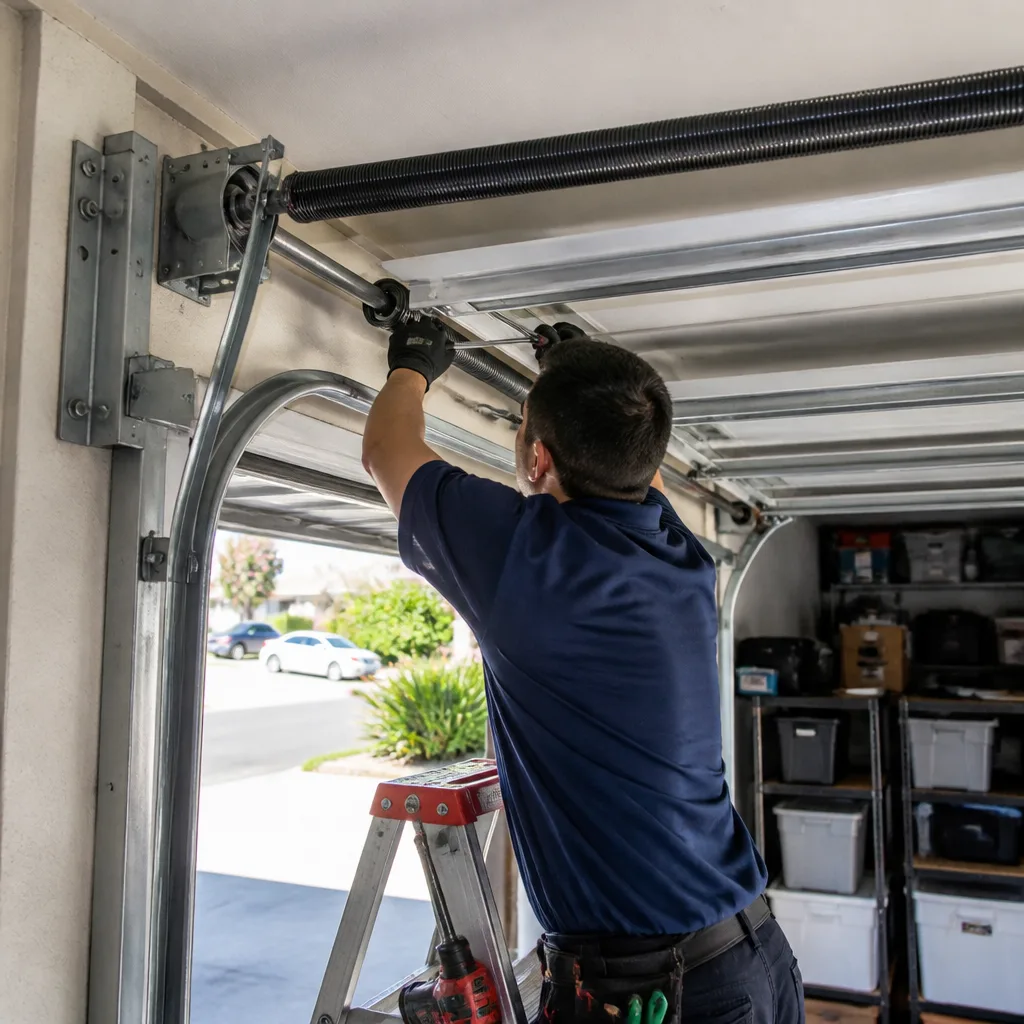
Torsion spring adjustment or replacement demands winding bars inserted into the cogs of the spring anchor bracket, precise torque calculation based on door weight and height, and physical restraint of released energy if a bar slips. The force involved can break bones or worse. We’ve seen experienced DIYers get hurt. We don’t want to see you hurt.
Cable replacement on a torsion system requires first securing the spring tension, then detaching the cable from the bottom bracket under partial load. Even with the door down, the cables carry significant tension. Extension spring systems (less common in Encinitas but present on some older doors) have their own hazards with stretch and safety cables.
Our position is simple: observe freely, document thoroughly, and call for anything involving tension adjustment. Garage door repair in Encinitas is what we do. We’ll state the flat price before any work begins, and most spring and cable jobs finish in a single visit because our trucks carry the full inventory.
Weatherstripping and the West-Facing Door Problem
Encinitas has a specific wind pattern that accelerates weatherstrip failure on certain orientations. The afternoon sea breeze comes from the west-northwest. Santa Ana winds arrive from the northeast but with far more velocity and sand load. West-facing garage doors catch both: daily salt spray plus periodic sandblasting.
We’ve documented replacement intervals across our service area:
- West-facing doors, within 3 blocks of the ocean (Leucadia, Cardiff, Beacon’s Beach area): 18-24 months for bottom seal, 3-4 years for side and top seals
- West-facing doors, inland Encinitas (Olivenhain, Rancho Santa Fe Road corridor): 24-30 months bottom seal
- East or north-facing doors: 3-4 years bottom seal, 5-6 years side/top
- South-facing doors: UV degradation of rubber becomes the primary factor; 3 years typical for all seals
Inspect monthly for these specific failure modes:
- Bottom seal: The rubber or vinyl flap that contacts the floor. Look for cracks, compression set (permanent flattening), and gaps where light shows through when the door is closed. In Encinitas, we see salt crystallization in the seal material itself on ocean-proximate doors; the seal feels gritty and stiff rather than supple.
- Side seals (astragal or stop molding): Check attachment. The flexible fin should contact the door face lightly. If it’s folded back or detached at staples/screws, wind and water penetrate.
- Top seal: Often ignored until water enters. The header seal should compress slightly when the door is closed.
Replacement is straightforward for most homeowners with basic tools, but proper seal selection matters. The cheap hollow-bulb seals sold at hardware stores compress permanently in warm weather and don’t recover. We use solid-core EPDM rubber seals rated for marine exposure. The material costs more but lasts 2-3x longer in coastal conditions. When we handle garage door installation in Encinitas, we specify this grade standard.
Seasonal Safety Tests You Can Do in Ten Minutes
Every season change, run these three tests. They take ten minutes total and catch problems before they become emergencies.
Test 1: Auto-Reverse (Mechanical)
Place a 2×4 board flat on the floor, centered under the door. Close the door using the opener. It should reverse within two seconds of contacting the board. If it doesn’t, the force setting is too high or the travel limit is wrong. Both adjustments are on the opener unit, but the specific procedure varies by brand. A Raynor opener adjusts differently than a LiftMaster or Genie. Check your manual or call us.
Test 2: Auto-Reverse (Photoelectric)
Wave a broomstick through the beam path while the door is closing. The door should reverse immediately. Clean the sensor lenses with a soft cloth; salt film accumulates and weakens the beam. Check alignment: both sensors should show steady indicator lights (usually green or amber, varies by brand). Blinking or dark lights mean misalignment or wiring fault.
Test 3: Emergency Release
Pull the red handle on the emergency release cord. The trolley should disconnect from the opener carriage, allowing manual door operation. Re-engage by running the opener to the closed position and hearing the click as the trolley re-locks. If the release is stiff or the trolley won’t re-engage, the mechanism needs service.
Document the date and results of each test in your written log. This documentation becomes valuable if a warranty or insurance question ever arises.
The Written Log: Why Documentation Matters
We’ve seen too many homeowners with legitimate warranty claims denied for lack of documentation. Manufacturers and installers both ask: “When did you last service it? What did you observe? Who did the work?” Without records, you’re relying on memory against their paperwork.
Keep a simple notebook in the garage or a digital file. Record for each entry:
- Date
- What you inspected (which of the six points)
- What you observed (specific condition, not just “checked”)
- What you did (lubricated, cleaned, called for service)
- Weather conditions that day (fog, rain, Santa Ana winds - this matters for corrosion tracking)
Example entry:
March 15, 2025. Monthly inspection. Bottom brackets: light surface oxidation, no pitting. Cable drums: clean. Hinges: slight stiffness on panel 3 center hinge, lubricated with silicone grease. Rollers: normal. Track brackets: one loose bolt on left vertical track, tightened. Spring: coil gaps normal, no visible pitting. Foggy morning, cleared by 10 a.m.
This level of detail takes two minutes and creates a service history that proves due diligence. When a Mainspring Garage Door Co. home customer calls with a warranty question, we pull our job records and cross-reference their log. The combination resolves disputes before they start.
For professional service visits, keep the invoice with the log. Note the technician’s name, what was done, and any recommendations for future work. Our invoices include this detail standard, and our 90-Day Done Right Promise is referenced on every one.
Your Annual Professional Inspection: What to Expect
Monthly homeowner checks catch visible problems. Annual professional inspection catches what you can’t see: internal cable wear, spring fatigue measurement, opener force calibration, and structural frame movement.
Our $89 Seasonal Tune-Up includes:
- Full inspection of all six corrosion points with professional lighting and magnification
- Spring tension measurement and balance verification
- Cable internal wear inspection (we check the hidden wraps on the drum)
- Opener force and travel limit calibration to manufacturer spec
- All moving parts lubricated with marine-rated synthetic grease
- Safety system testing with documented results
- Written condition report with photo documentation
We recommend scheduling this in early fall, before the heavier winter usage and occasional freeze nights. September and October appointments fill first; book by August if you have a preferred date.
Standing offers that apply: $50 Off Any Repair Over $250 if we find needed work, Free Second Opinion on any written estimate from another company, and permanent 5% discount for seniors and veterans. The tune-up price is $89 flat, no add-ons, no surprises on the bill.
Common Mistakes to Avoid
- Using WD-40 as a lubricant. It’s a solvent and water displacer, not a lubricant. It dissolves existing grease and leaves metal exposed to salt air. We’ve corrected this mistake on countless Encinitas doors.
- Ignoring surface rust because “it’s just cosmetic.” On coastal hardware, surface rust advances to pitting faster than inland homeowners expect. What looks harmless in March becomes a fracture by November.
- Lubricating the track. Rollers need to roll. Grease in the track causes sliding, noise, and accelerated wear. Light film only, or better, clean with solvent and leave dry.
- Skipping the monthly check after installing a new door. New doors fail too, especially if hardware was standard-grade rather than coastal-rated. We’ve replaced bottom brackets on 14-month-old installations where the builder used inland-spec hardware.
- Attempting spring adjustment after watching a video. The physics don’t change because you watched carefully. Torsion springs store enough energy to cause serious injury or death. This is not a learning project.
- Waiting for the opener to fail completely. Intermittent operation, excess noise, or travel inconsistency are early warnings. Address them before the door traps a vehicle or leaves you stuck.
- Using the same weatherstrip schedule for all door orientations. West-facing doors in coastal Encinitas need replacement 18-24 months; east-facing can go 3-4 years. One schedule fits none.
When to Call a Professional
Call when you observe pitting or flaking corrosion on any hardware point, broken cable strands, door imbalance, spring coil gaps, or any opener behavior that differs from normal, and explore more guides & resources for year-round maintenance tips. Call immediately if the door is stuck open, partially open, or making grinding noises. Don’t force operation.
For spring or cable concerns, don’t approach the system. Observe from the ground, document with photos if safe, and call. The line between observation and intervention is the line between safety and injury.
Mainspring Garage Door Co. offers free estimates in Encinitas. Call (760) 565-5674 and a live person answers, 24/7 including nights, weekends, and holidays. No phone trees, no voicemail, no after-hours answering service. We’ll state the flat price before any work begins, and most jobs finish in a single visit because our trucks carry springs, cables, and openers standard.
Frequently Asked Questions
Monthly visual inspection of the six critical hardware points, quarterly lubrication, seasonal safety tests, and annual professional inspection. The marine layer makes monthly checks essential here; inland homeowners can often stretch to quarterly. Call (760) 565-5674 to schedule your $89 Seasonal Tune-Up.
Synthetic open-gear grease in a tub, applied with a brush, outperforms all spray products in salt-air conditions. Silicone-based spray is acceptable for hinges and rollers but needs reapplication every 6-8 weeks during fog season. Avoid white lithium grease and WD-40 entirely. We use Lubriplate-equivalent synthetic grease on all Mainspring maintenance calls.
No. Torsion springs store lethal energy and require specialized winding bars, torque calculation, and physical restraint technique. We’ve seen serious injuries from well-intentioned DIY attempts. Observe from the ground, document what you see, and call a professional. Our background-checked, uniformed technicians handle spring work safely, and the flat price is stated before any work begins.
West-facing doors in Encinitas catch daily salt-laden morning fog and periodic high-velocity Santa Ana winds. This combination accelerates corrosion on hardware and abrasion on weatherstripping. We’ve documented 40% faster bottom bracket corrosion and 50% shorter weatherstrip life on west-facing installations within three blocks of the ocean. Adjust your maintenance schedule accordingly.
Our Seasonal Tune-Up is $89 flat, including full inspection, spring tension check, safety system testing, lubrication with marine-rated products, and written condition report. Repairs found during inspection are quoted upfront with no obligation. Seniors and veterans receive a permanent 5% discount. Call (760) 565-5674 for scheduling.
No. We state the flat price before any work begins, and that price does not change. If additional problems are found, we quote them separately and you decide before we proceed. No surprises on the bill. This is core to how Mainspring operates, and it’s in writing on every job.
The Bottom Line
Encinitas garage doors fail in a predictable pattern that generic maintenance advice misses. Monthly inspection of six corrosion-vulnerable points, correct lubricant selection for marine-layer conditions, safe ground-level observation of spring and cable condition, orientation-adjusted weatherstrip replacement, seasonal safety testing, and written documentation will prevent most emergencies we’ve responded to in 42 years. The homeowners who never call us in crisis are the ones who spend ten minutes monthly with a flashlight and a notebook. For everything else, Mainspring Garage Door Co. arrives with the right parts, states the price upfront, and stands behind the work with our 90-Day Done Right Promise. Call (760) 565-5674 for a free estimate or to schedule your $89 Seasonal Tune-Up.
Written by Carl Dutton, Owner at Mainspring Garage Door Co., serving Encinitas since 2016.